Insinc Insights
-
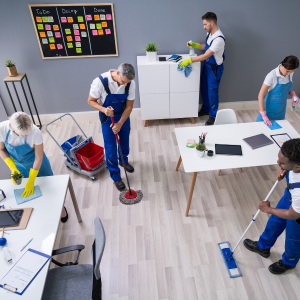 You’ve emptied the bins, vacuumed the floors, wiped down surfaces, and sprayed air freshener throughout the office — yet somehow the unpleasant smell keeps coming back. If your office still smells bad after cleaning, you’re not alone. Many New Zealand workplaces struggle with lingering odours caused by hidden bacteria, poor cleaning routines, moisture build-up, contaminated soft furnishings, or overlooked hygiene hotspots.Posted: Friday 24 April 2026
 -
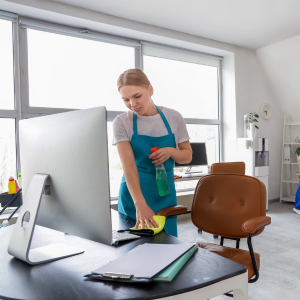 A clean office doesn’t happen by accident. Without a structured cleaning schedule, important hygiene tasks are often missed, shared spaces become unhygienic, and workplace cleanliness standards gradually decline. Over time, this can lead to unpleasant smells, increased illness among staff, reduced productivity, and a poor impression on clients and visitors.Posted: Friday 24 April 2026
 -
 Choosing the right cleaning products for schools in New Zealand is more than just a purchasing decision—it directly impacts student health, staff wellbeing, operational efficiency, and long-term costs. With so many options available, from traditional chemicals to eco-friendly alternatives, many school decision-makers struggle to determine what actually works best. This in-depth buyer’s guide is designed to help NZ schools confidently select the right cleaning products, avoid costly mistakes, and create safer, healthier learning environments while staying within budget.Posted: Friday 17 April 2026
 -
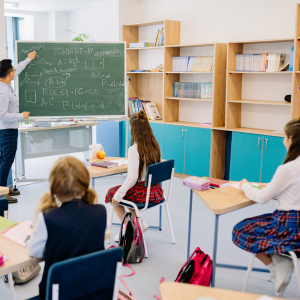 Maintaining a clean and hygienic school environment in New Zealand is not just best practice—it is an essential responsibility aligned with Ministry of Education expectations and public health guidance. Schools must balance compliance, student safety, operational efficiency, and budget constraints, all while ensuring cleaning systems are effective and sustainable. This in-depth guide breaks down the cleaning requirements for NZ schools, explains what compliance really looks like in practice, and provides actionable strategies to help schools meet standards without unnecessary cost or complexity.Posted: Friday 17 April 2026
 -
 Schools across New Zealand are under increasing pressure to create safer, healthier environments while also reducing their environmental impact. The good news? Switching to eco-friendly cleaning products and systems doesn’t have to increase costs. In fact, with the right approach, schools can lower long-term expenses, improve indoor air quality, and align with sustainability goals—all at once. This guide explores practical, cost-neutral strategies schools can implement today.Posted: Friday 10 April 2026
 -
 As students head back to school across New Zealand, classrooms quickly become hotspots for germs and illness outbreaks. With high-touch surfaces, shared spaces, and close contact throughout the day, viruses and bacteria can spread rapidly—impacting attendance, staff wellbeing, and overall learning outcomes. What many schools don’t realise is that preventing outbreaks doesn’t require a bigger budget. By adopting smarter cleaning strategies, using effective disinfectant solutions, and implementing eco-friendly hygiene practices, schools can significantly reduce illness while maintaining cost control. This guide explores practical, scalable, and cost-effective ways NZ schools can protect students and staff while creating healthier learning environmentsPosted: Friday 10 April 2026
 -
 Managing a childcare centre in New Zealand comes with constant pressure to balance high hygiene standards with tight budgets. Cleaning is one of the most essential yet ongoing operational costs, and without the right systems in place, it can quickly become inefficient and expensive. The good news is that reducing cleaning costs doesn’t mean lowering standards. By improving processes, choosing the right cleaning products, and working with reliable suppliers, childcare centres can significantly cut costs while maintaining excellent hygiene and compliance.Posted: Friday 3 April 2026
 -
 Training childcare staff on proper cleaning protocols is one of the most important steps in maintaining a safe, compliant, and cost-effective early learning environment. Even the best cleaning products and schedules will fail if staff are not trained to use them correctly. In New Zealand, where hygiene standards are strict and expectations from parents are high, having a structured staff training system ensures your centre reduces illness outbreaks, meets compliance requirements, and operates efficiently. This guide outlines exactly how to train your team, what to include, and how to build a long-term culture of hygiene excellence.Posted: Friday 3 April 2026
 -
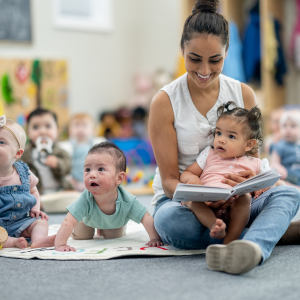 Maintaining proper hygiene and cleaning standards in childcare centres is not just best practice—it’s a legal and operational necessity in New Zealand. With strict expectations around childcare cleaning regulations NZ, centres must ensure they are meeting compliance requirements to protect children’s health, pass inspections, and maintain trust with parents. This guide breaks down what’s required, what inspectors look for, and how to create a compliant cleaning system that keeps your centre audit-ready.Posted: Friday 27 March 2026
 -
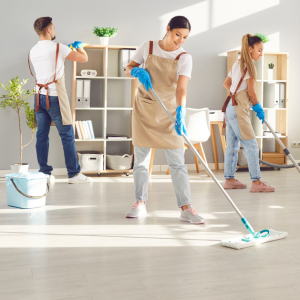 Maintaining high hygiene standards in childcare centres is not just about cleanliness—it’s essential for protecting children, staff, and families from illness outbreaks. With young children more vulnerable to infections and viruses spreading quickly in shared environments, having robust childcare hygiene practices in place is critical. This guide outlines how germs spread, where the biggest risks lie, and what New Zealand childcare centres can do to prevent illness through effective cleaning, infection control, and the right products.Posted: Friday 27 March 2026
 -
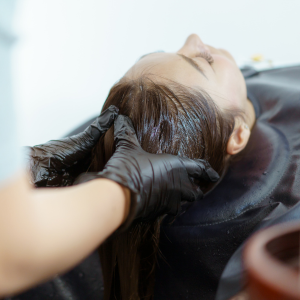 Maintaining a spotless beauty salon is not just about appearances—it is essential for hygiene, safety, and client trust. If you’ve ever wondered how often should a beauty salon be cleaned, the answer is simple: constantly, consistently, and systematically. A structured salon cleaning checklist and well-planned beauty salon cleaning schedule ensure your space remains safe, compliant, and professional at all times.Posted: Friday 20 March 2026
 -
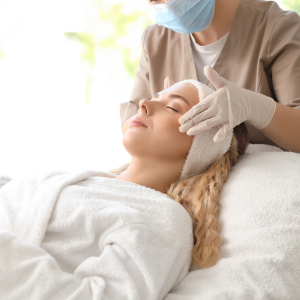 When clients walk into a beauty salon, they begin forming an opinion within seconds—and cleanliness is often the first and most influential factor they notice. From the shine of the floors to the freshness of towels and the appearance of staff, every detail contributes to the overall perception of your business.Posted: Friday 20 March 2026
 -
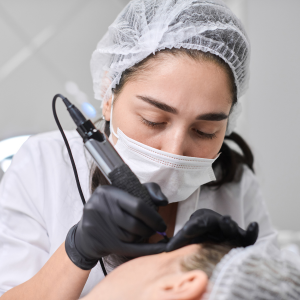 Disposable products have become an essential part of modern beauty salons. From improving hygiene standards to streamlining daily operations, single‑use items help salons maintain a clean and professional environment that clients trust. In New Zealand, customers are increasingly conscious of cleanliness in personal care businesses, and salons that demonstrate strong hygiene practices often stand out from competitors. This complete guide explores the most important disposable beauty salon products, explains why they are critical for hygiene and efficiency, and helps salon owners understand which disposable supplies they should prioritise for their business.Posted: Friday 13 March 2026
 -
 Maintaining excellent hygiene standards in a beauty salon is essential for protecting clients, ensuring staff safety, and creating a professional environment that customers trust. This guide explores why hygiene matters in modern beauty salons and provides a practical daily hygiene checklist that salon owners can follow to maintain a safe, clean, and welcoming environment.Posted: Thursday 12 March 2026
 -
 Maintaining strict hygiene standards is one of the most important responsibilities of any professional tattoo studio. Tattooing involves repeatedly puncturing the skin, which means there is always potential exposure to blood and bodily fluids. Without proper cleaning protocols, studios risk cross‑contamination, infections, and damage to their professional reputation.Posted: Friday 6 March 2026