
Insinc Insights
-
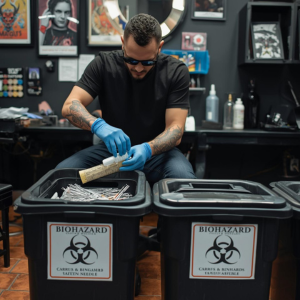 Opening or upgrading a tattoo studio requires much more than artistic skill and great equipment. Hygiene, infection control, and professional safety standards are essential for protecting clients, artists, and the long‑term reputation of your business. Because tattooing involves repeatedly puncturing the skin, studios must operate under strict hygiene practices similar to other skin‑penetration industries.Posted: Friday 6 March 2026
 -
 Tattooing is an art form, but it is also a procedure that involves direct contact with blood and broken skin. Because of this, professional tattoo studios must operate with strict hygiene and infection control standards. One of the most visible and essential parts of this hygiene protocol is the use of disposable gloves.Posted: Friday 27 February 2026
 -
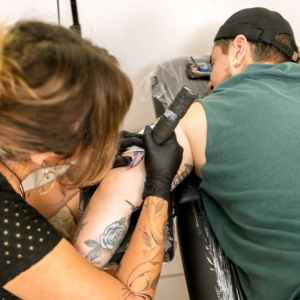 Infection control in tattoo studios is not just about compliance — it is about protecting clients, safeguarding artists, and protecting the long‑term reputation of your business. With increasing awareness around bloodborne pathogens, hygiene standards, and cross‑contamination risks, tattoo studios in New Zealand are expected to operate at a professional healthcare‑level standard of cleanliness. This comprehensive guide explains infection control best practice, outlines regulatory expectations, and provides practical, step‑by‑step systems you can implement immediately in your studio.Posted: Friday 27 February 2026
 -
 Choosing the right stand up pouch isn’t just about picking something that “looks right.” The wrong size, material, or printing method can affect product freshness, profitability, compliance, and even your brand reputation. We receive a large number of enquiries from New Zealand businesses asking about stand up pouches for food, sauces, powders, and retail products — and most of the questions are completely valid. This guide walks you through exactly what to ask before placing an order, so you avoid costly mistakes and choose packaging that truly works for your product.Posted: Saturday 21 February 2026
 -
 With New Zealand’s single-use plastic regulations rolling out in stages, many cafés, hospitality venues, event organisers and commercial workplaces are asking the same question: are disposable cold cups still allowed? Understanding what is banned, what is restricted and what remains compliant is essential for protecting your business and making informed packaging decisions.Posted: Friday 20 February 2026
 -
 Choosing between PLA and plastic cold cups is becoming a critical decision for New Zealand cafés, hospitality venues and commercial workplaces. With sustainability expectations rising and regulations tightening, understanding the difference between PLA vs plastic cups can help your business reduce environmental impact while remaining compliant and cost-effective.Posted: Friday 20 February 2026
 -
 Choosing between paper and plastic cold cups is not as straightforward as it once was. For New Zealand cafés, hospitality venues, event organisers and commercial workplaces, the right choice affects sustainability goals, recyclability, performance and overall cost. Understanding the real difference between paper vs plastic cups will help your business make a smarter, future-focused decision.Posted: Friday 20 February 2026
 -
 Choosing the right disposable cold cups for your café, event or workplace isn’t just about picking the cheapest option. The right choice affects drink presentation, customer experience, sustainability goals, compliance with NZ regulations and your overall operating costs. This guide will help New Zealand businesses confidently select the best disposable cold cups for their needs.Posted: Friday 20 February 2026
 -
 Are your antibacterial wipes not delivering the results you expect? Many New Zealand businesses assume wipes instantly eliminate germs, but improper use can significantly reduce their effectiveness. In this guide, we explain why antibacterial wipes sometimes don’t work, the most common mistakes workplaces make, and how to ensure your commercial cleaning routine is effective, compliant and efficient.Posted: Friday 13 February 2026
 -
 Knowing when to use antibacterial wipes in the workplace is essential for maintaining hygiene, compliance and operational efficiency. Many New Zealand businesses either overuse or misuse cleaning products, leading to wasted time and inconsistent results. In this practical guide, we explain exactly when antibacterial wipes should be used, how often high-touch surfaces should be cleaned, and how commercial workplaces can build an effective hygiene routine.Posted: Friday 13 February 2026
 -
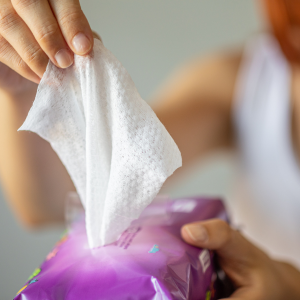 Are antibacterial wipes better than disinfectant spray for your workplace? Many New Zealand businesses struggle to decide which option is more effective, compliant and cost-efficient. In this guide, we compare antibacterial wipes vs disinfectant spray, explain the key differences, and help commercial businesses choose the right hygiene solution for their specific environment.Posted: Friday 13 February 2026
 -
 Antibacterial wipes are a fast, convenient and effective hygiene solution for busy New Zealand workplaces — but who actually needs them? From offices and schools to healthcare, hospitality and food production, antibacterial wipes play a critical role in reducing bacteria on high-touch surfaces. In this guide, we explain which industries benefit most, how to use them properly, and how to choose the right commercial antibacterial wipes for your business.Posted: Friday 13 February 2026
 -
 Choosing the right type of laundry detergent isn’t just about cleaning clothes—it’s about performance, cost-efficiency, and operational ease. For commercial businesses across New Zealand, the debate between powder and liquid detergent can impact everything from hygiene to budget. In this article, we compare powder and liquid laundry detergents in commercial settings to help you make the best choice for your workplace.Posted: Friday 6 February 2026
 -
 White streaks or powdery residue on freshly washed laundry can be frustrating—especially in commercial settings where clean presentation is critical. Whether you're managing a gym, hotel, care facility or childcare centre, white marks can undermine cleanliness standards and increase complaints. In this article, we’ll break down what causes white marks from laundry detergent, how to prevent them, and what New Zealand businesses can do to ensure spotless results every wash.Posted: Friday 6 February 2026
 -
 When it comes to commercial laundry, scent can be both a selling point and a source of irritation. Should you choose fragranced laundry detergent to leave a fresh smell on linens and uniforms—or is fragrance-free the better option for staff and customers with sensitivities? In this blog, we’ll explore the pros and cons of each type and help New Zealand workplaces make informed, skin-friendly, and brand-conscious choices.Posted: Friday 6 February 2026