How to Choose the Right Cleaning Products for NZ Schools (Buyer’s Guide)
Choosing the right cleaning products for schools in New Zealand is more than just a purchasing decision—it directly impacts student health, staff wellbeing, operational efficiency, and long-term costs. With so many options available, from traditional chemicals to eco-friendly alternatives, many school decision-makers struggle to determine what actually works best. This in-depth buyer’s guide is designed to help NZ schools confidently select the right cleaning products, avoid costly mistakes, and create safer, healthier learning environments while staying within budget.
Why Choosing the Right Cleaning Products Matters for Schools
Selecting cleaning products in a school environment is not the same as choosing products for a standard workplace. Schools are unique environments where large numbers of students interact closely, share surfaces, and have varying levels of hygiene awareness. This makes the choice of cleaning products critical—not just for cleanliness, but for preventing illness, improving air quality, and ensuring long-term safety.
Poor product choices can lead to ineffective cleaning, increased illness outbreaks, and unnecessary costs due to overuse or inefficiency. On the other hand, selecting the right products can significantly improve hygiene outcomes while reducing overall spend.
As discussed in our guide, Back-to-School Germs: How NZ Schools Can Prevent Illness Outbreaks, effective cleaning and disinfection play a crucial role in reducing the spread of illness across classrooms. Choosing the right products is the foundation of that strategy.
Understanding the Key Types of Cleaning Products for Schools
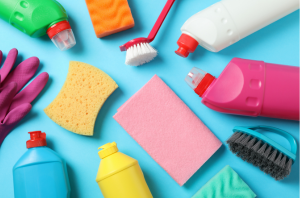
Before choosing products, it’s important to understand the different categories and their roles within a school cleaning system.
Disinfectants
Disinfectants are essential for killing bacteria and viruses on surfaces. In school environments, high-touch areas require consistent disinfection to prevent the spread of illness.
However, not all disinfectants are created equal. Schools should prioritise products that are effective, safe for regular use, and suitable for environments with children. A high-quality disinfectant should balance strong germ-killing performance with low toxicity.
General Surface Cleaners
Surface cleaners are used for removing dirt, dust, and grime from desks, floors, and other surfaces. While they don’t always disinfect, they are an essential first step before applying disinfectant products.
Using a reliable all-purpose cleaner can help streamline cleaning processes and reduce the need for multiple specialised products.
Bathroom and Hygiene Products
School bathrooms require specialised cleaning products to maintain hygiene standards. These include toilet cleaners, hand hygiene products, and paper goods.
Providing consistent access to hygiene supplies such as soap and eco-friendly tissues is critical in preventing the spread of germs among students.
Eco-Friendly Cleaning Products
Eco-friendly cleaning products are becoming increasingly popular in NZ schools due to their reduced environmental impact and improved safety profile. These products are designed to minimise harmful chemicals while still delivering effective cleaning performance.
As explored in our article, How NZ Schools Can Switch to Eco-Friendly Cleaning Without Increasing Costs, transitioning to eco-friendly products can also reduce long-term costs when implemented correctly.
Key Factors to Consider When Choosing Cleaning Products
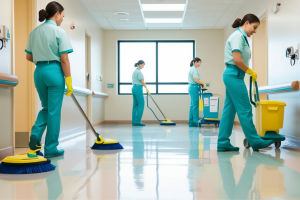
Choosing the right products requires balancing several important factors. Schools should avoid focusing solely on price and instead consider overall value and effectiveness.
1. Effectiveness Against Germs
The primary purpose of cleaning products is to remove or kill harmful microorganisms. Schools should ensure that products—especially disinfectants—are proven to be effective against common viruses and bacteria found in school environments.
Products that fail to meet this standard can lead to ongoing hygiene issues and increased illness risk.
2. Safety for Students and Staff
Safety is a top priority in schools. Harsh chemicals can cause respiratory irritation, skin issues, and other health concerns, particularly for children.
When evaluating products, schools should look for:
-
Non-toxic formulations
-
Low odour products
-
Certifications or compliance with safety standards
3. Cost-Effectiveness (Not Just Price)
One of the biggest mistakes schools make is choosing products based purely on upfront cost. Cheaper products often require more frequent use, leading to higher long-term expenses.
Cost-effective products typically:
-
Are highly concentrated
-
Require less product per use
-
Deliver consistent results
4. Ease of Use for Cleaning Staff
Cleaning products should be simple and efficient to use. Complicated systems or unclear instructions can lead to misuse, waste, and inconsistent results.
Schools should prioritise products that:
-
Have clear usage guidelines
-
Integrate easily into existing cleaning routines
-
Reduce the need for multiple steps
5. Environmental Impact
Sustainability is becoming increasingly important for NZ schools. Choosing environmentally responsible products helps reduce the school’s carbon footprint and aligns with community expectations.
Eco-friendly products can also contribute to better indoor air quality and overall wellbeing.
Common Mistakes Schools Make When Choosing Cleaning Products
Even well-intentioned schools can make costly mistakes when selecting cleaning supplies. Understanding these pitfalls can help avoid unnecessary expenses and inefficiencies.
Choosing Too Many Products
Using a wide range of specialised products can complicate cleaning processes and increase costs. In many cases, multi-purpose products can achieve the same results more efficiently.
Using the Wrong Disinfectant
Not all disinfectants are suitable for school environments. Some may be too harsh, while others may not be effective enough.
Selecting the right disinfectant is critical for maintaining hygiene without compromising safety.
Ignoring Staff Training
Even the best products will not deliver results if they are used incorrectly. Lack of training can lead to overuse, underuse, or improper application.
Focusing Only on Price
As mentioned earlier, choosing the cheapest option often leads to higher long-term costs. Schools should focus on value rather than initial price.
How to Build an Effective School Cleaning Product System
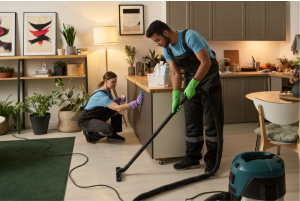
Rather than selecting products individually, schools should think in terms of building a complete cleaning system.
Step 1: Identify Key Areas
Different areas of the school have different cleaning requirements. Classrooms, bathrooms, kitchens, and shared spaces all require tailored approaches.
Step 2: Standardise Products
Using a smaller number of versatile products can simplify processes and reduce costs. Standardisation also makes training easier for cleaning staff.
Step 3: Implement Proper Training
Ensure that all staff understand how to use products correctly. This improves efficiency and ensures consistent results.
Step 4: Monitor and Adjust
Regularly review cleaning processes and product usage to identify opportunities for improvement.
Why Partnering with the Right Supplier Matters
Choosing the right supplier is just as important as choosing the right products. A good supplier will provide more than just products—they will offer guidance, support, and cost-saving strategies.
A reliable supplier, like Insinc, should:
-
Recommend the most suitable products for your needs
-
Help reduce unnecessary spending
-
Provide training and ongoing support
At Insinc, we work closely with NZ schools to create tailored cleaning solutions that improve outcomes while reducing costs.
Frequently Asked Questions
What is the most important cleaning product for schools?
A high-quality disinfectant is one of the most important products, as it directly helps prevent the spread of illness.
Are eco-friendly cleaning products effective?
Yes, modern eco-friendly products are designed to meet commercial standards while being safer for users and the environment.
How can schools reduce cleaning costs?
By using concentrated products, reducing waste, and choosing the right supplier, schools can significantly lower overall costs.
Conclusion
Choosing the right cleaning products for NZ schools is a critical decision that impacts health, safety, and cost efficiency. By focusing on effectiveness, safety, and long-term value, schools can create a cleaning system that supports both student wellbeing and operational success.
With the right approach and the right supplier, schools can confidently select products that deliver better results without increasing costs.
https://www.insinc.co.nz/category/cleaning-supplies.html
Posted: Friday 17 April 2026