How to Reduce Cleaning Costs in Childcare Centres Without Compromising Hygiene

Managing a childcare centre in New Zealand comes with constant pressure to balance high hygiene standards with tight budgets. Cleaning is one of the most essential yet ongoing operational costs, and without the right systems in place, it can quickly become inefficient and expensive. The good news is that reducing cleaning costs doesn’t mean lowering standards. By improving processes, choosing the right cleaning products, and working with reliable suppliers, childcare centres can significantly cut costs while maintaining excellent hygiene and compliance.
Why Cleaning Costs Add Up in Childcare Centres
Cleaning in childcare environments is non-negotiable. With strict expectations around hygiene, infection control, and safety, centres must maintain consistent cleaning routines throughout the day.
However, many centres unknowingly overspend due to:
- Overuse of cleaning chemicals
- Inefficient cleaning processes
- Purchasing low-quality or unsuitable products
- Lack of staff training
- Frequent re-cleaning due to poor product performance
These issues not only increase costs but can also reduce overall cleaning effectiveness.
Understanding where money is being wasted is the first step towards building a more cost-efficient cleaning system.
The True Cost of Inefficient Cleaning
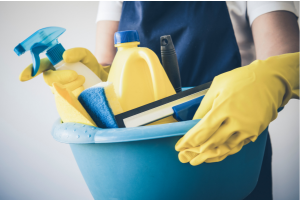
Inefficient cleaning doesn’t just impact your supply budget—it affects your entire operation.
Hidden Costs Include:
- Increased staff time spent cleaning
- Higher product consumption
- More frequent illness outbreaks
- Increased absenteeism among children and staff
- Additional deep cleaning requirements
When cleaning systems are not optimised, centres often spend more money reacting to problems rather than preventing them.
Recent research also highlights the importance of proactive hygiene strategies in childcare environments. A study published in the National Library of Medicine emphasises that consistent, well-structured cleaning and disinfection practices play a critical role in reducing the spread of infectious diseases among children and staff. By focusing on prevention through effective cleaning systems, centres can not only improve health outcomes but also reduce the long-term costs associated with illness outbreaks and reactive cleaning measures.
Common Budget-Wasting Mistakes in Childcare Cleaning

Many childcare centres fall into similar traps when it comes to cleaning costs.
Overusing Cleaning Chemicals
Using more product than necessary doesn’t improve results—it simply increases costs. Many cleaning products, including disinfectants, are designed to work effectively at specific dilution ratios.
Choosing Cheap, Low-Quality Products
Lower-cost products may seem like a good deal initially, but they often require more frequent use or fail to deliver proper hygiene outcomes.
Understanding the importance of meeting national hygiene expectations is essential for every childcare provider. In our article, Childcare Cleaning Standards in New Zealand: Are You Meeting Requirements?, we explore the key regulations, best practices, and practical steps centres can take to stay compliant while maintaining a safe and healthy environment for children and staff.
Lack of Standardised Cleaning Processes
Without clear systems, staff may clean inconsistently, duplicate tasks, or miss key areas—leading to inefficiencies and wasted resources.
Poor Staff Training
Untrained staff may misuse products, apply incorrect dilution ratios, or fail to follow best practices, resulting in higher costs and lower hygiene standards.
Buying in Small Quantities
Purchasing cleaning supplies in small amounts often leads to higher per-unit costs and frequent reordering.
7 Proven Ways to Reduce Cleaning Costs in Childcare Centres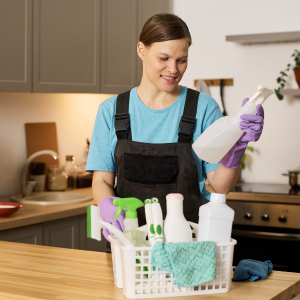
Reducing cleaning costs doesn’t require cutting corners—it requires smarter strategies.
1. Use the Right Cleaning Products for the Job
Not all cleaning products are created equal. Using the correct product for each task improves efficiency and reduces waste.
For example:
- Use a multi-purpose cleaner for general surfaces
- Use a hospital-grade disinfectant for high-touch areas
- Use specialised products for bathrooms and kitchens
Choosing high-quality, effective products reduces the need for repeat cleaning and excessive usage.
2. Switch to Concentrated Cleaning Products
Concentrated cleaning products offer better value because they can be diluted to create multiple uses from a single product.
Benefits include:
- Lower cost per use
- Reduced storage space
- Less packaging waste
- Improved environmental impact
3. Train Staff on Proper Product Usage
One of the easiest ways to reduce costs is through proper staff training.
Ensure staff understand:
- Correct dilution ratios
- Appropriate product usage
- Cleaning techniques for different surfaces
- How to avoid cross-contamination
Even small improvements in training can lead to significant cost savings over time.
4. Implement a Structured Cleaning Schedule
A well-organised cleaning schedule prevents over-cleaning and missed tasks.
Break tasks into:
- Daily cleaning
- Weekly deep cleaning
- Monthly maintenance
This ensures that cleaning is done efficiently without unnecessary repetition.
5. Buy Cleaning Supplies in Bulk
Bulk purchasing is one of the most effective ways to reduce costs in childcare cleaning.
Benefits include:
- Lower per-unit pricing
- Reduced delivery costs
- Consistent supply availability
- Less time spent reordering
Working with a supplier, like Insinc, that offers bulk solutions tailored to childcare centres can significantly improve cost efficiency.
6. Reduce Product Waste
Product waste is a major contributor to high cleaning costs.
Ways to reduce waste:
- Use measured dispensing systems
- Avoid over-application of products
- Store products correctly
- Monitor usage patterns
Simple changes in how products are used can result in immediate savings.
7. Choose a Reliable Cleaning Supplier
Your supplier plays a crucial role in your overall cleaning costs.
A good supplier should:
- Offer cost-effective product options
- Provide expert advice
- Ensure consistent product availability
- Understand childcare requirements
Choosing the right partner, like Insinc, helps you optimise both cost and performance.
Bulk Buying vs Small Orders: What’s More Cost-Effective?
Many childcare centres underestimate the savings that come from bulk purchasing.
Bulk Buying Advantages:
- Significant cost savings over time
- Fewer delivery fees
- Reduced administrative workload
- Consistent stock levels
Small Order Disadvantages:
- Higher per-unit costs
- Frequent stock shortages
- Increased time spent ordering
For centres looking to reduce cleaning costs, bulk purchasing is a practical and proven solution.
How to Maintain High Hygiene Standards While Reducing Costs
Reducing costs should never come at the expense of hygiene.
The key is to focus on efficiency, not reduction.
Maintain Standards By:
- Using effective cleaning products
- Following structured cleaning routines
- Training staff properly
- Monitoring cleaning performance
- Using the right tools and equipment
When done correctly, cost reduction actually improves hygiene outcomes.
If you’d like to explore this topic further, check out our article Why Hygiene in Childcare Centres Is Critical (And How to Prevent Illness Outbreaks), where we dive deeper into the importance of maintaining high hygiene standards and practical steps to keep children and staff safe.
How Insinc Helps Childcare Centres Save on Cleaning Costs
At Insinc, we understand that childcare centres need to balance cost, compliance, and performance.
Our Solutions Include:
- High-quality cleaning products designed for efficiency
- Concentrated solutions that reduce cost per use
- Bulk purchasing options tailored for childcare centres
- Eco-friendly products that are safe for children
- Expert guidance on reducing cleaning costs
We work with childcare providers across New Zealand to create cost-effective cleaning systems that don’t compromise on hygiene.
Downloadable Resource: Childcare Cleaning Cost Reduction Checklist
To help your centre identify savings opportunities, create a checklist that includes:
- Product usage tracking
- Cleaning schedule efficiency
- Staff training completion
- Bulk purchasing opportunities
- Waste reduction strategies
This can help you monitor and continuously improve your cleaning processes. Download our free Childcare Cleaning Checklist to identify savings opportunities, streamline your processes, and start reducing costs today.
The Long-Term Benefits of Cost-Effective Cleaning

Reducing cleaning costs is not just about saving money—it’s about improving your entire operation.
Benefits Include:
- Lower operational expenses
- More efficient staff workflows
- Improved hygiene outcomes
- Reduced illness outbreaks
- Increased profitability
A well-optimised cleaning system delivers both financial and operational benefits.
FAQs: Reducing Cleaning Costs in Childcare Centres
1. Can I reduce cleaning costs without compromising hygiene?
Yes. By improving efficiency, using the right products, and training staff, you can reduce costs while maintaining high standards.
2. What is the biggest cause of high cleaning costs?
Overuse of products, poor processes, and low-quality supplies are the most common causes.
3. Are bulk cleaning supplies worth it?
Yes. Bulk purchasing significantly reduces costs and ensures consistent supply.
4. How can I reduce product waste?
Use proper dilution ratios, measured dispensing systems, and staff training to minimise waste.
5. What products should childcare centres prioritise?
High-quality disinfectants, multi-purpose cleaners, and eco-friendly products are essential for effective and safe cleaning.
Conclusion
Reducing cleaning costs in childcare centres is achievable without compromising hygiene. By improving processes, choosing the right products, and working with reliable suppliers, centres can create efficient, cost-effective cleaning systems that support both compliance and child safety.
Save on Cleaning Costs with Insinc
Looking to reduce your childcare cleaning costs without sacrificing quality?
Insinc offers cost-effective, eco-friendly cleaning solutions designed specifically for New Zealand childcare centres.
Posted: Friday 3 April 2026