
Insinc Insights
-
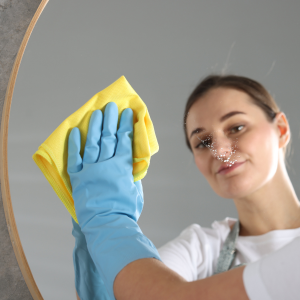 Microfibre cloths have revolutionised cleaning, especially for New Zealand businesses seeking sustainable, efficient hygiene solutions. But what makes microfibre different from regular cloths? The answer lies in the science of the fibres. These innovative cloths clean deeper, trap more dirt, and reduce chemical use — making them an essential tool for commercial cleaning operations.Posted: Friday 12 December 2025
 -
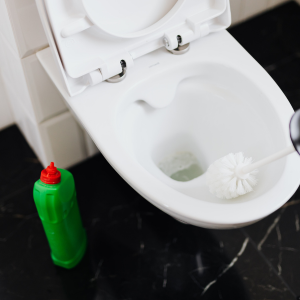 When it comes to keeping toilets clean in a commercial setting, the right toilet cleaner can make or break your hygiene standards. But with so many options available — from budget supermarket-style brands to high-performance commercial formulas — how do you know what actually works best for your business?Posted: Friday 12 December 2025
 -
 As sustainability expectations rise across Aotearoa, more food businesses are rethinking their packaging. Making the switch from plastic to compostable deli containers isn't just an eco-friendly upgrade — it’s a smart move for future-proofing your business. In this guide, we show how New Zealand cafes, delis, and food retailers can transition smoothly to compostable packaging without compromising on quality or customer experience.Posted: Friday 5 December 2025
 -
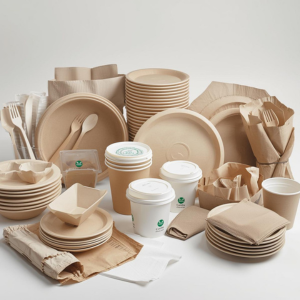 Sustainability is no longer a trend — it’s a business essential. For delis and takeaway food outlets across New Zealand, switching to compostable containers is one of the easiest ways to cut waste and align with eco-conscious consumer expectations.Posted: Friday 5 December 2025
 -
 Compostable deli containers sound like the perfect eco-swap for food businesses — but do they truly break down in real-world conditions? In New Zealand, where composting infrastructure varies by region, the answer isn’t always black and white.Posted: Friday 5 December 2025
 -
 Compostable packaging is growing in popularity across Aotearoa, but not all "eco" packaging is created equal. As more New Zealand businesses aim to reduce waste and align with environmental regulations, understanding what truly makes packaging compostable is essential. This guide will help your business cut through the confusion, choose the right materials, and stay compliant with New Zealand's compostability standards.Posted: Friday 5 December 2025
 -
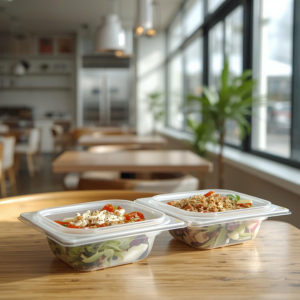 Cafés and take‑away outlets across Aotearoa are embracing compostable deli containers — and the shift is more than just a trend. From environmental responsibility to meeting customer expectations, there are compelling reasons why eco‑conscious food businesses are trading fossil‑plastic packaging for compostable solutions.Posted: Friday 5 December 2025
 -
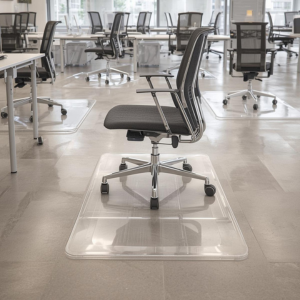 Choosing the right office chair mat might seem straightforward — until you’re faced with curling corners, cracking plastic, or a mat that slides around under your chair. In a busy commercial or home office in New Zealand, a high-quality chair mat not only protects your floor but also supports workplace comfort and productivity.Posted: Friday 28 November 2025
 -
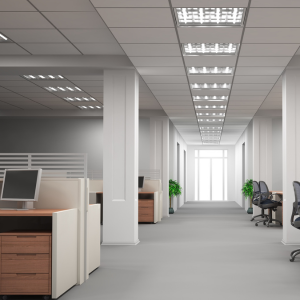 Low-pile carpet is common in commercial offices across New Zealand. It’s affordable, durable, and easy to clean — but is it tough enough to withstand daily chair movement without a mat? The answer depends on your workspace setup, staff movement, and the long-term flooring protection you’re aiming for.Posted: Friday 28 November 2025
 -
 Office chair mats are a quiet hero in the modern workplace. They shield carpets and floors, improve ergonomics, and reduce wear and tear from chair wheels. But one question often asked by business owners and office managers is: how long do plastic chair mats actually last?Posted: Friday 28 November 2025
 -
 In the modern office — whether in Auckland, Wellington or Christchurch — carpet is a common flooring choice. It offers warmth, reduces noise, and gives a professional finish to workspaces. But what happens when staff spend hours rolling office chairs on that carpet? Over time, carpet fibres can compress, flatten or even wear out prematurely.Posted: Friday 28 November 2025
 -
 Office ergonomics go far beyond just a good chair. One often-overlooked accessory that makes a surprising difference in workplace comfort and efficiency is the humble chair mat. Whether you're rolling over carpet or hard floors, a high-quality mat can significantly improve how staff feel and function at work.Posted: Friday 28 November 2025
 -
 Working in a commercial kitchen involves long hours of standing on hard floors, which can lead to fatigue, discomfort, and even long-term injuries. Anti-fatigue kitchen mats are specifically designed to address these issues, making them a smart investment for New Zealand businesses in hospitality, food service, and catering industries.Posted: Friday 21 November 2025
 -
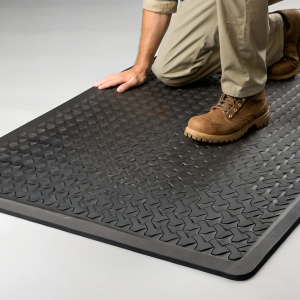 Slippery kitchen floors are one of the leading causes of workplace injuries in commercial environments. In New Zealand's fast-paced hospitality and food service industries, minimising slip hazards is critical to maintaining a safe, compliant, and productive work environment. This is where non-slip kitchen mats come in.Posted: Friday 21 November 2025
 -
 In New Zealand’s busy commercial kitchens, staff spend long hours on their feet, moving quickly across often hard and slippery floors. This constant strain can lead to fatigue, discomfort, and preventable accidents. Fortunately, one simple addition can significantly improve both comfort and safety: a quality kitchen floor mat.Posted: Friday 21 November 2025